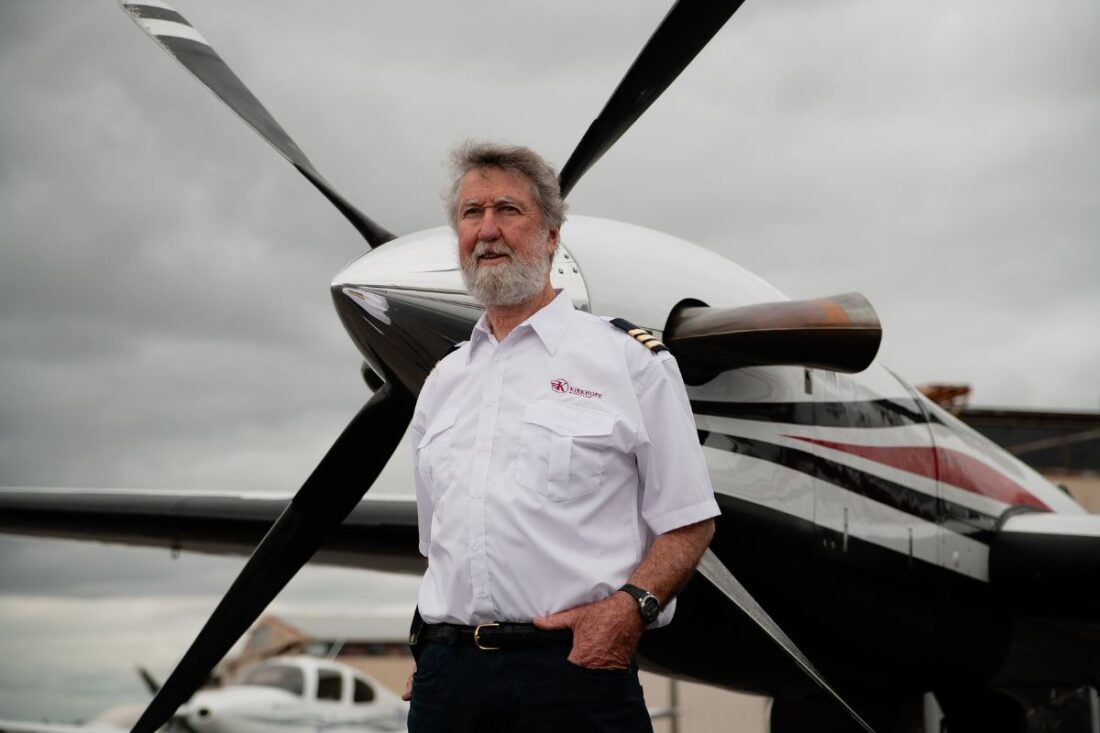
I Never Planned to Become a Pilot – The Outback Had Other Ideas, by Tony Kirkhope
If you’d told me in 1971, when I graduated in Metallurgical Engineering, that I’d spend the next 50 years flying people into the Australian outback, I wouldn’t have believed you.
I arrived in Wollongong for my first job with no thought of becoming a pilot. I’d damaged my knees waterskiing at the National Titles, so I was a bit limited and didn’t know anyone in town. One Sunday afternoon, I happened to drive past the airport. I was invited in for their Sunday drinks — and the rest, as they say, is history.
I started flying on 26 April 1972 while doing shift work at the ER&S Copper Smelter at Port Kembla. It took me about three months to get my basic licence. Once I had it, I didn’t just want to fly around the local area — I wanted to go somewhere. So I started heading into the outback with mates to build hours and experience.
That gave me the bug. Not long after, I took the leap into charter work - and everything changed.
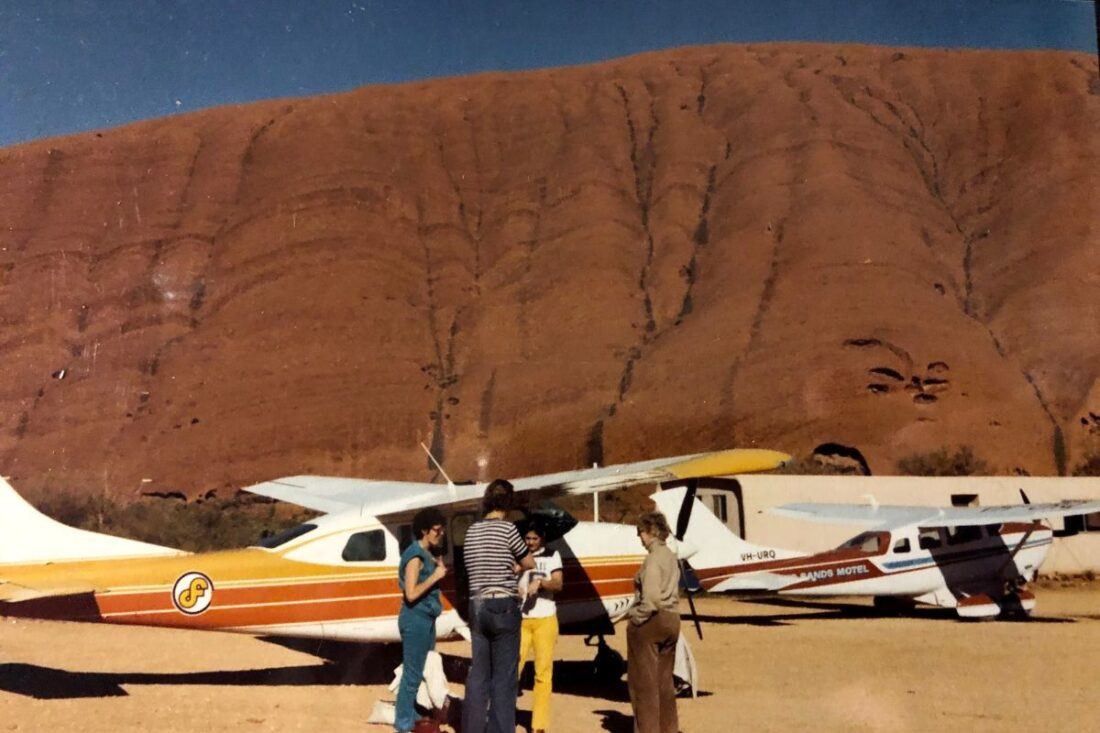
The first aircraft, the first charter work
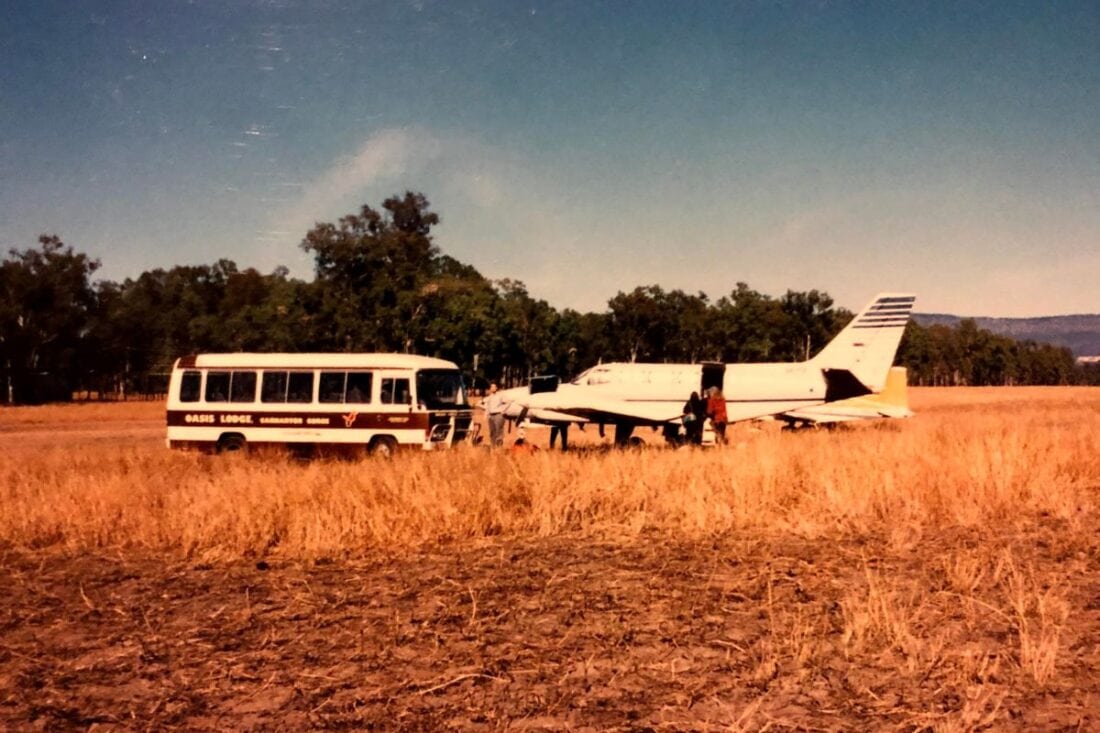
In 1974, I got my commercial licence, bought a Cherokee Six for $18,000, and started an aerial charter business in Wollongong with the slogan: “Kirkhope Aviation — see Australia in a day.” We did plenty of scenic flying, including over the Sydney Opera House, but I was always drawn inland.
In 1976, I moved back to Victoria to Lysaghts at Hastings, where I helped commission the new Hot Strip Rolling Mill as an engineer. My aircraft was based at Berwick Casey airfield — a dirt strip and Nissan huts in those days, on what is now the site of Monash University. Later I flew out of Tyabb and moved into twin-engine aircraft, including Barons, Aztecs and Chieftains. That’s when outback touring really started to take shape.
Trips to the Birdsville Races became popular early on, and Lake Eyre left a huge impression on me. The 1974 flood was so extensive that flying over it felt like crossing an inland sea. Muloorina even had a speedboat for waterskiing. It was a different world.
The places & people who shaped the journey
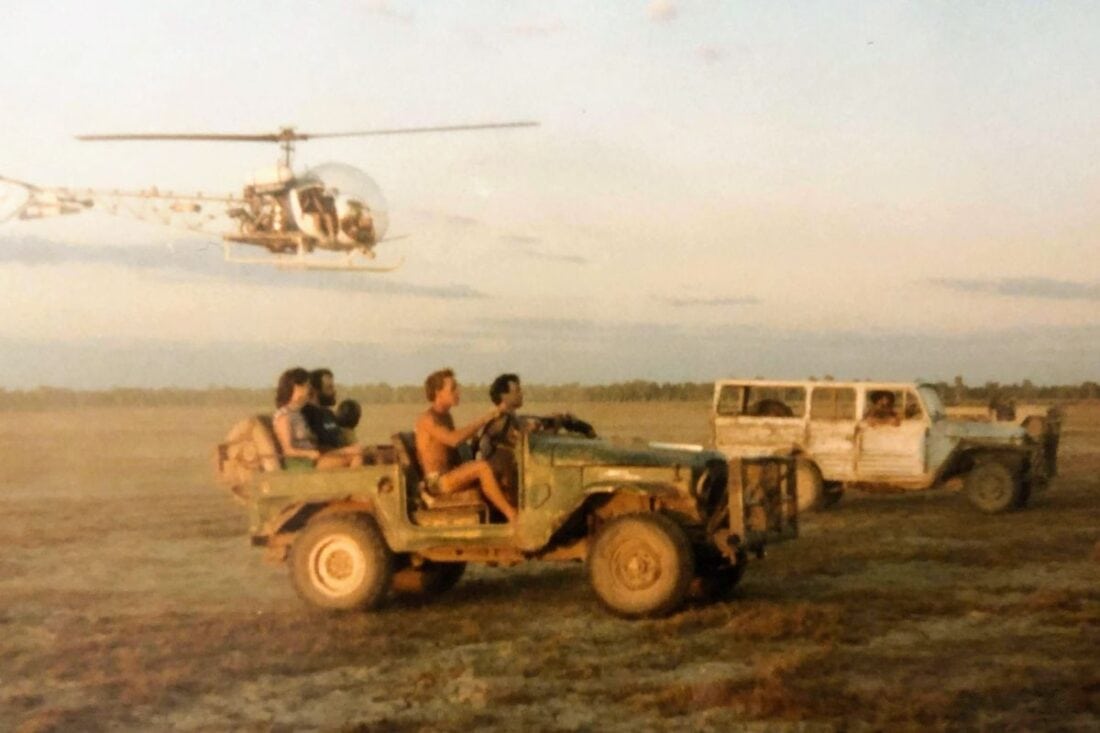
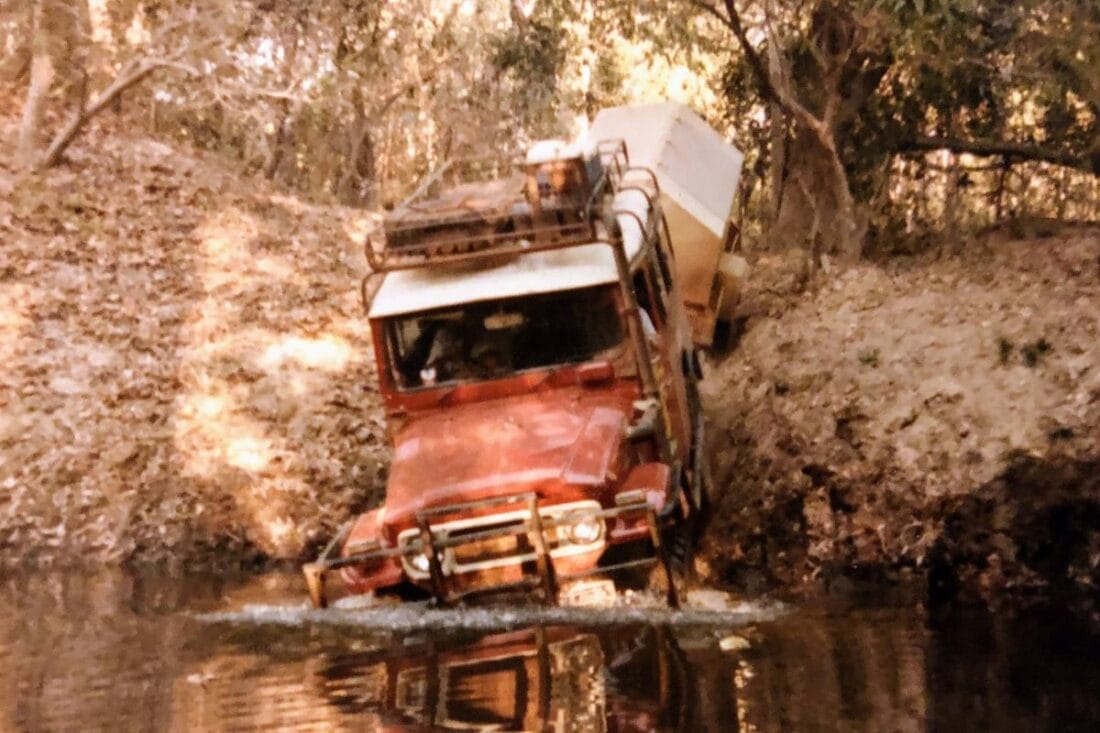
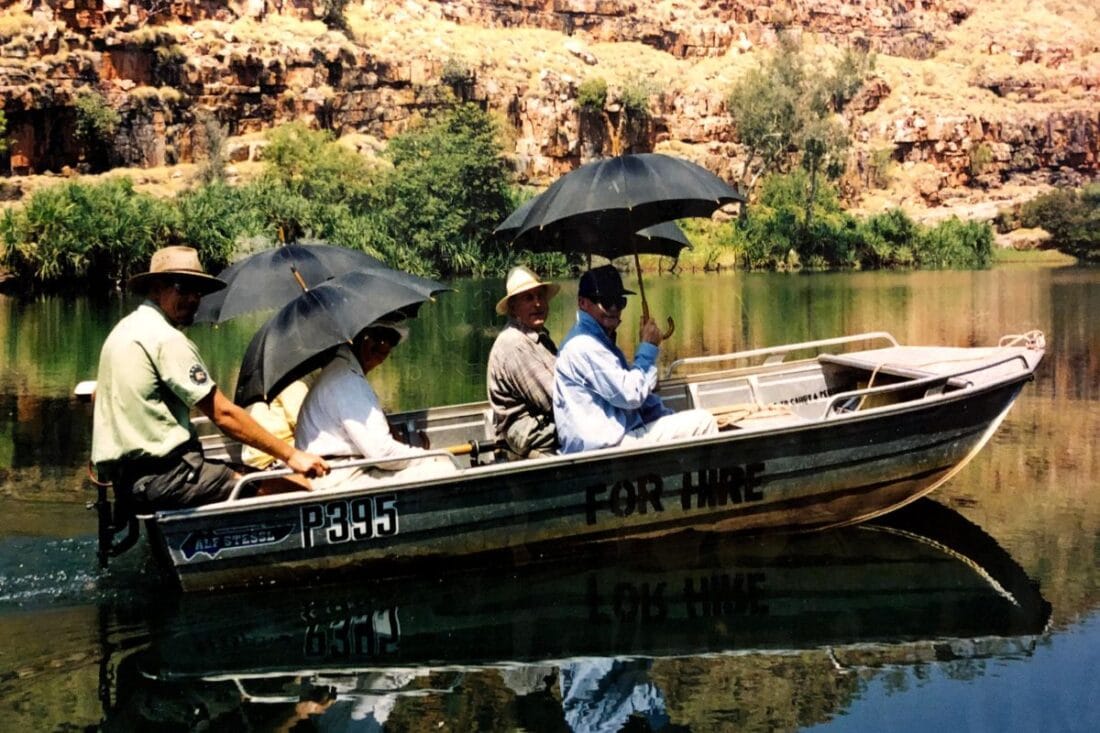
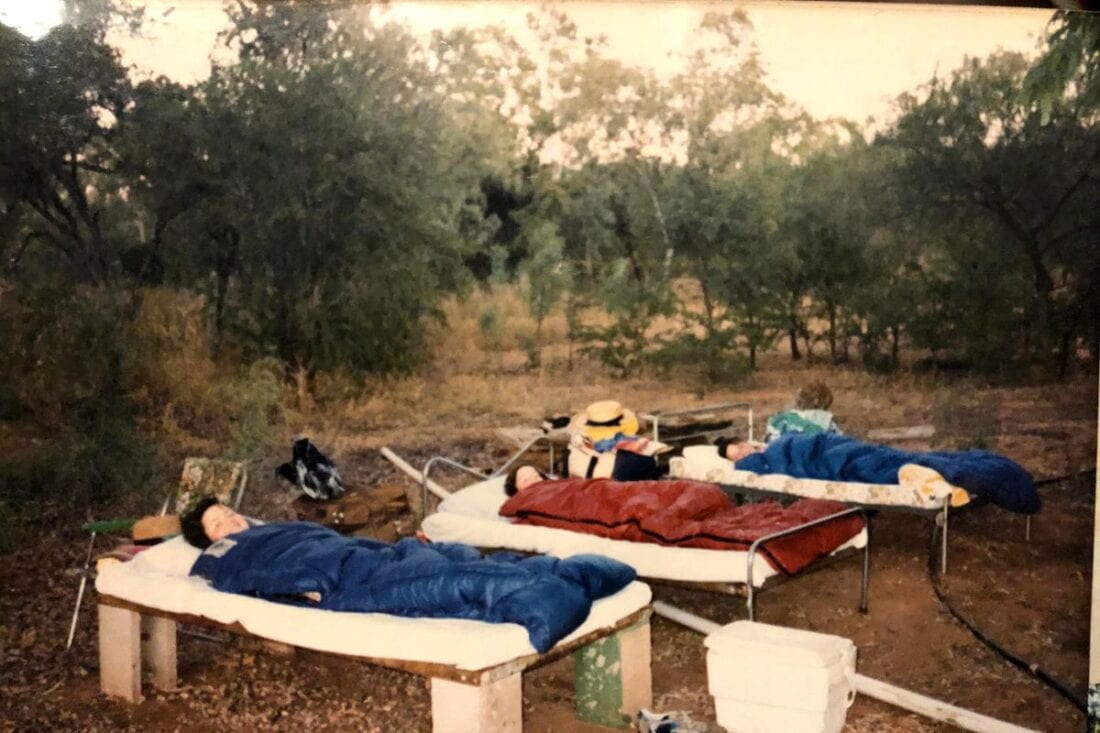
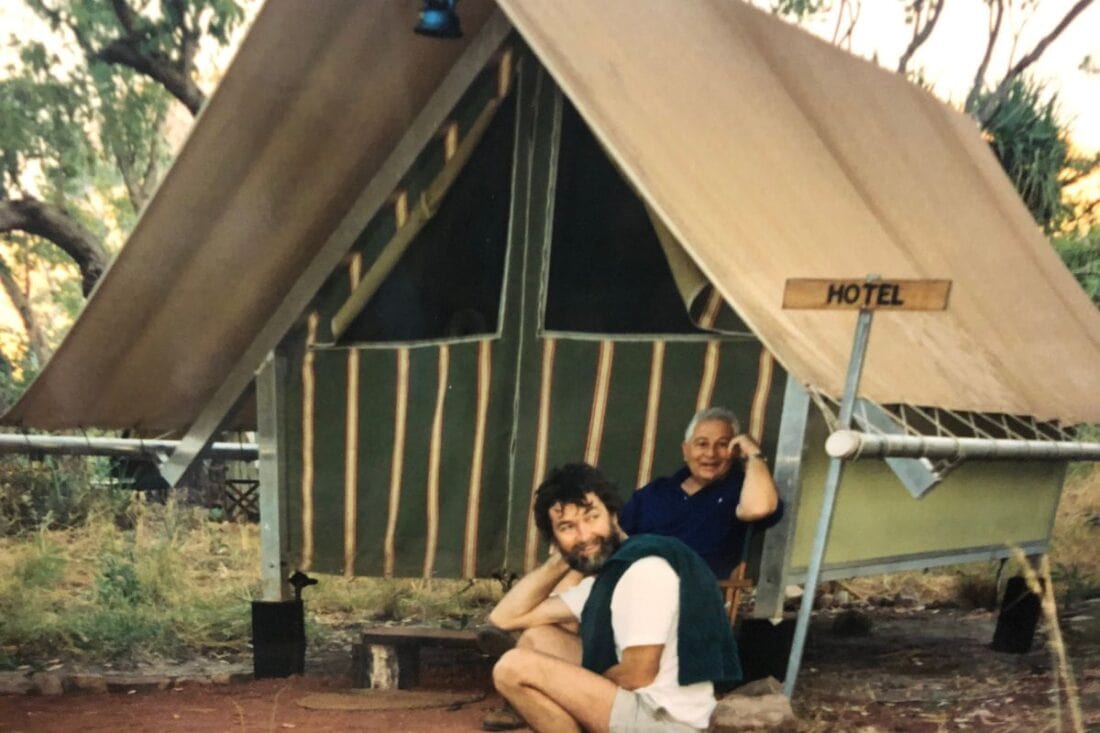
From 1976 to 1982, we flew to many places that were still largely untouched by tourism — Andamooka, Arkaroola, Muloorina Station, Rabbit Flat, Broome, Fitzroy Crossing, Annaburroo, Lawn Hill Gorge, Kings Canyon, Cooinda, Mt Borradaile and El Questro, to name a few. In many cases, access was basic and the facilities even more so, but that was part of the adventure. You were seeing Australia in a way very few people ever had.
Those years also shaped the relationships that became the backbone of our touring business. I was lucky to get to know people like Reg and Griselda Sprigg and family at Arkaroola, Max Davidson and family at Mt Borradaile, Jim Cottrell at Kings Canyon, Trevor Wright at William Creek, the Mitchell family at Muloorina, and many others who knew the land better than anyone. Some places we found because someone in the outback said, “You should go there.” Others came from a pin on a map. Either way, every trip added to our knowledge of this country.
Kirkhope Aviation later moved to Essendon Airport for a number of years, then to Moorabbin, where we still are today. In 2006, I bought Pungalina Station in the Gulf of the Northern Territory — a 500,000-acre wilderness property — and we ran tours there with outback legend Owen Davies. Owen was one of the most capable bushmen I’ve known. He helped build our safari operation there and brought incredible knowledge, energy and character to the place. Pungalina was a very special chapter in our story.
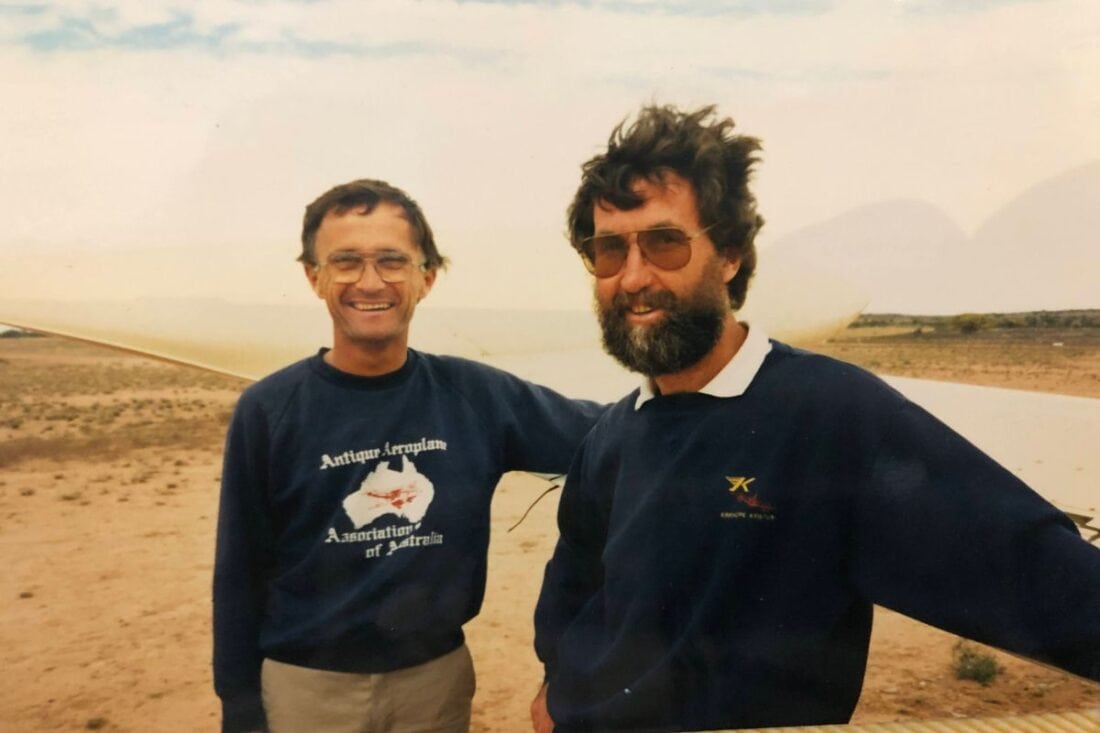
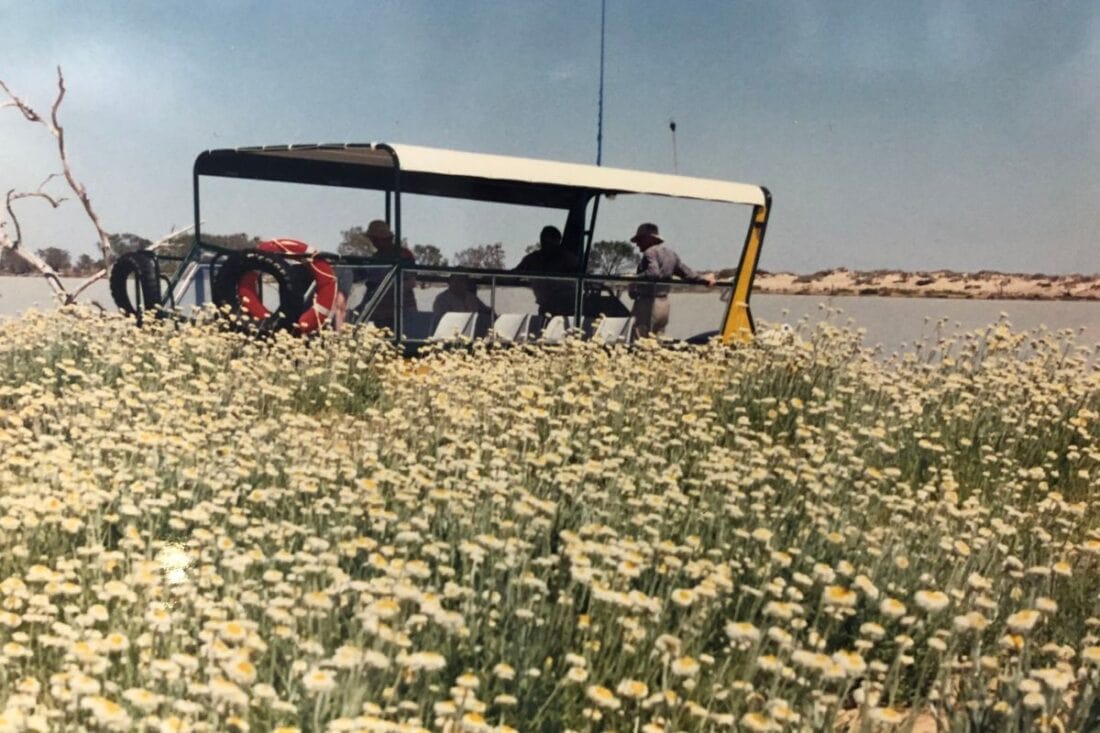
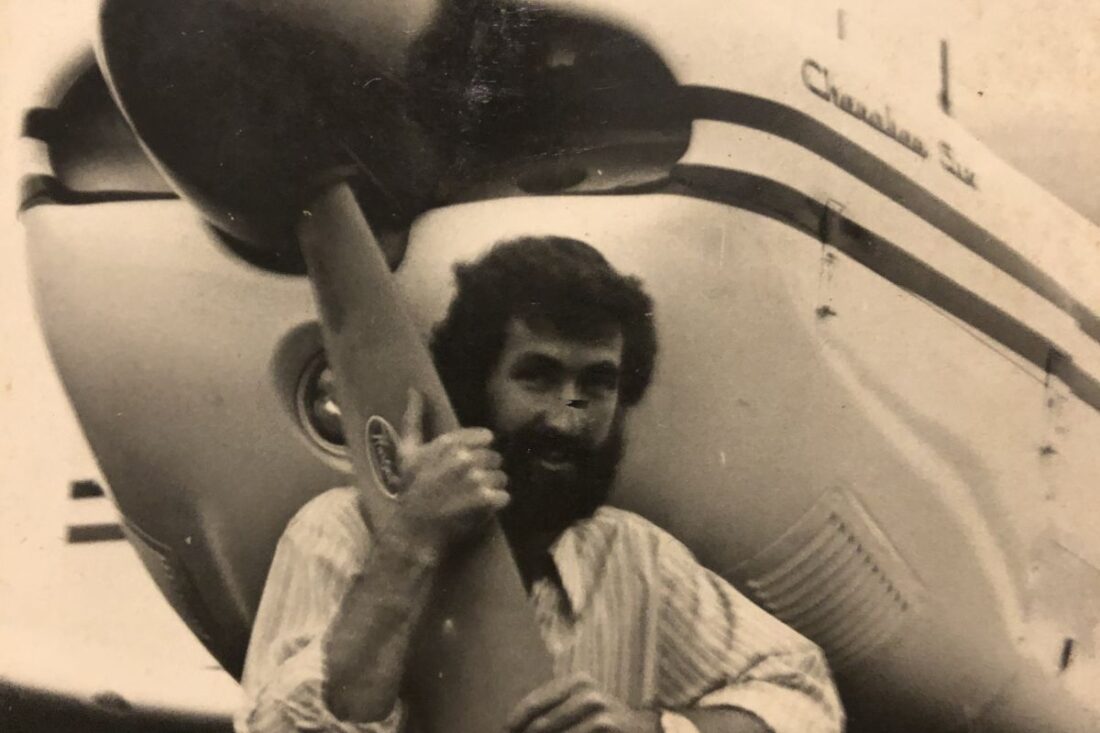
"The then vs now reflection"
Over the years, the touring side of the business grew into Australian Air Safaris, while Kirkhope Aviation remained the parent company for private and corporate charter. Today we operate a fleet including Cessna Caravans, a Super King Air B200, and Piper Chieftain aircraft — and we continue to fly people into some of the most remarkable parts of Australia.
People often ask me what I love most about the outback.
The answer is simple: the remoteness.
There is something special about flying into places that few people have seen, and watching guests experience that for the first time. So many Australians travel overseas before they truly know their own country. To see them connect with the outback — its scale, its beauty, its people — is incredibly rewarding.
It’s a tough business, and always has been. That’s why I’m proudest of this: after more than 50 years, we’re still here, still flying, and still sharing this amazing land with our guests.
A lot has changed over the years (apart from that I have got older, more grey and don't fly myself any longer) — technology, tourism, infrastructure and safety standards, and that has only made what we do stronger. We can offer better experiences than ever, built on decades of local knowledge, trusted relationships and a genuine love of the outback.
That’s what Australian Air Safaris has always been about.
And it still is.
Ready to experience Australia from the air? Explore our outback tours.
26 Feb 2026