
Bass Strait Islands: Remote but Accessible by Marjorie Courtis
I’ve had countless visits to Tasmania. I adore its arty-ness, rustic nature, wilderness, and coastline. But until December 2025, the remote islands of King and Flinders, located in the turbulent “Roaring Forties” of Bass Strait, had eluded me. I always thought remote exploration required vast amounts of time. Then my wise elder sister, Libby, suggested a four-day fully guided tour to both islands with Australian Air Safaris This was the answer to a decades-old dream!
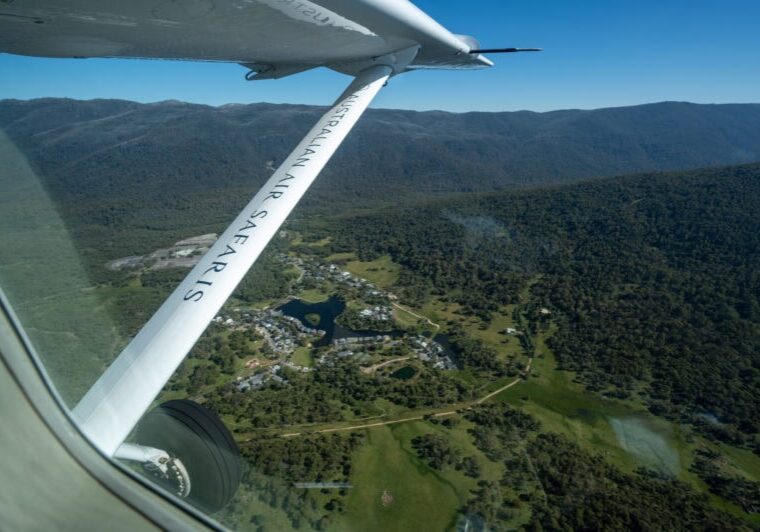
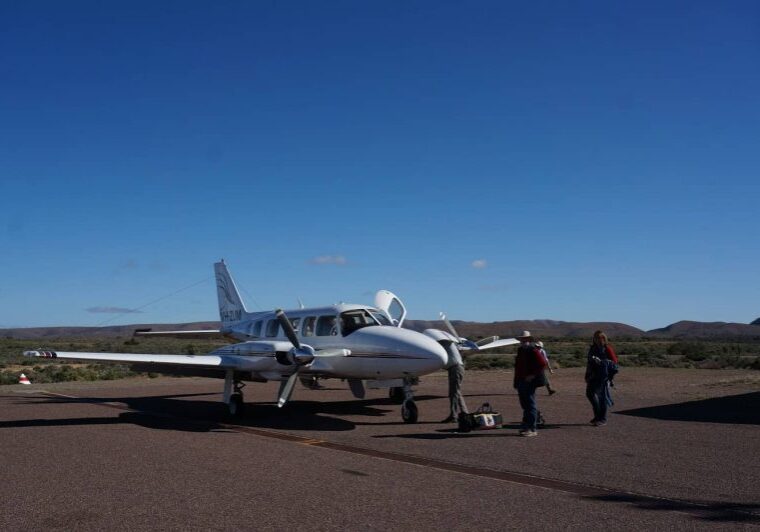
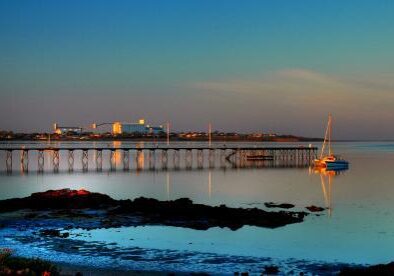
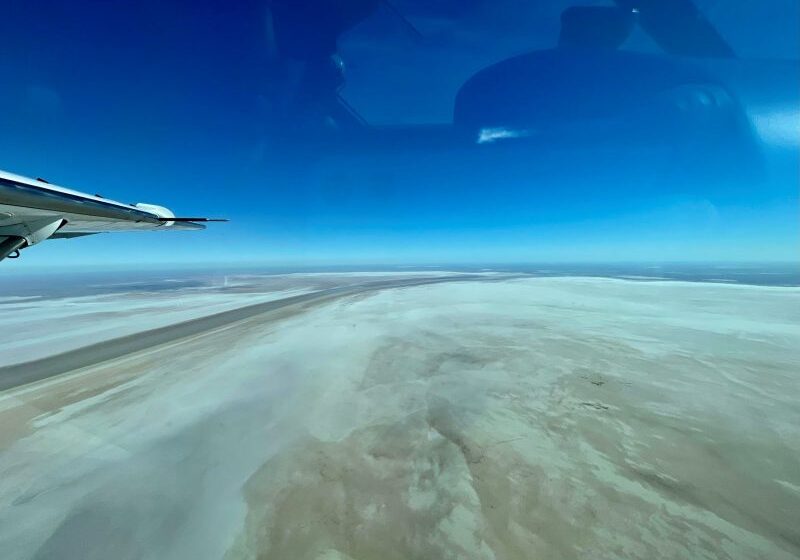
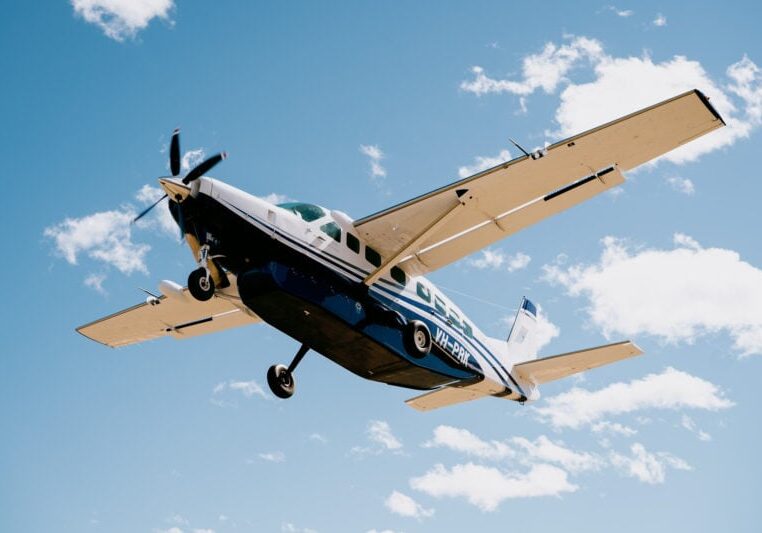
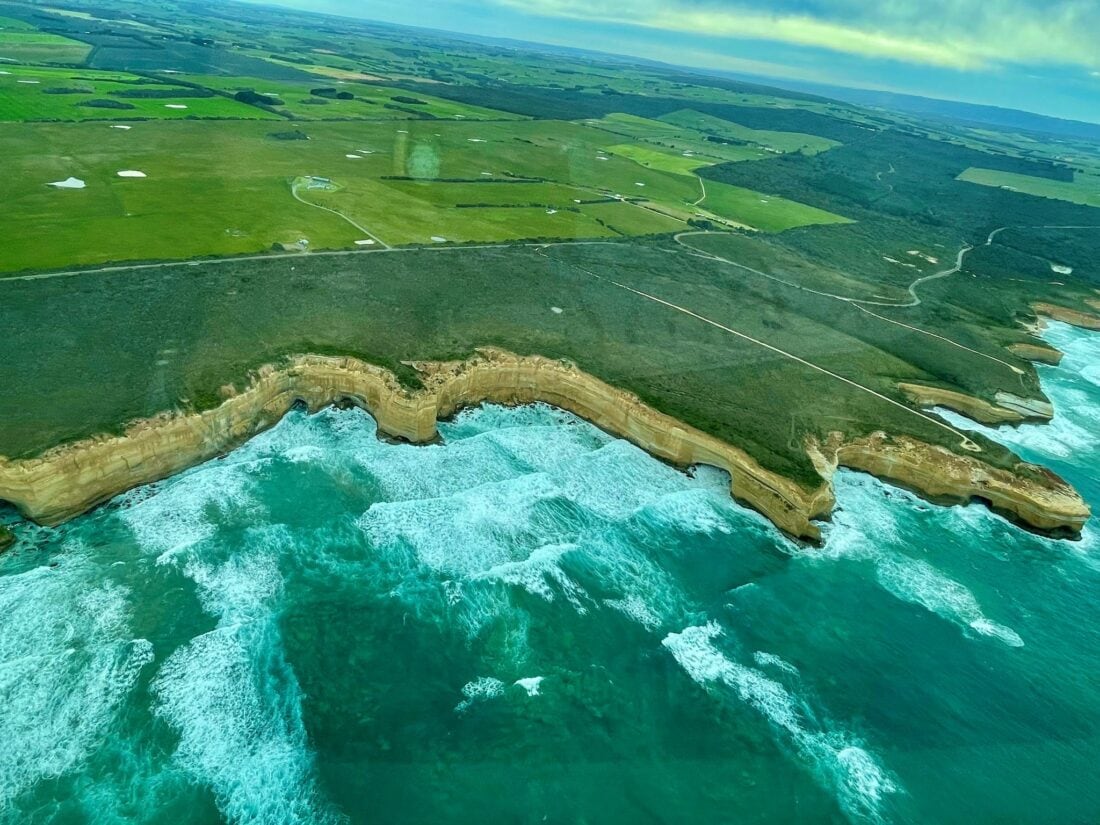
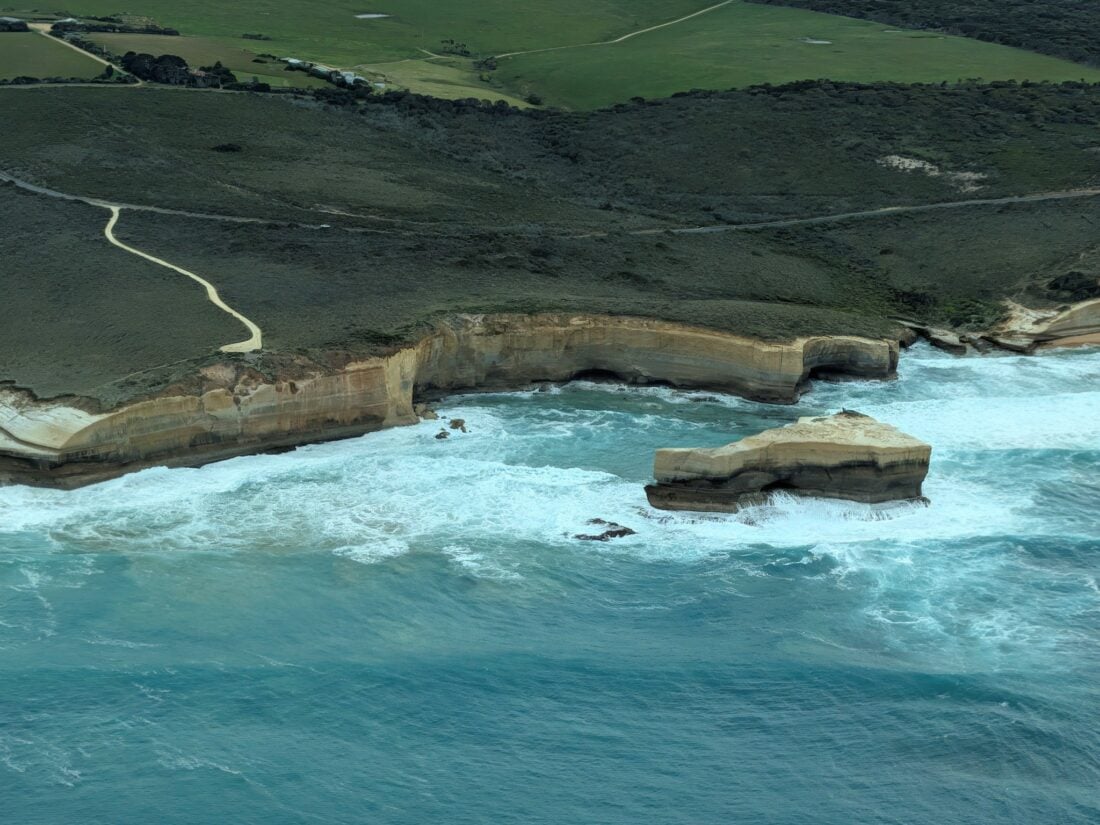
Stepping into our 12-seater Cessna Caravan at Moorabbin Airport, I had a great sense of anticipation. Suddenly, these remote islands had become utterly accessible. Parking so close to the plane and having our pilot, Callum, double as Tour Manager and baggage handler, meant this was something I could effortlessly fit into the notoriously busy month of December. The small aircraft was perfect for visibility of the infamous Bass Strait and its scattered islands, giving us a magnificent fly-over of The Twelve Apostles before King Island, our first stop, appeared.
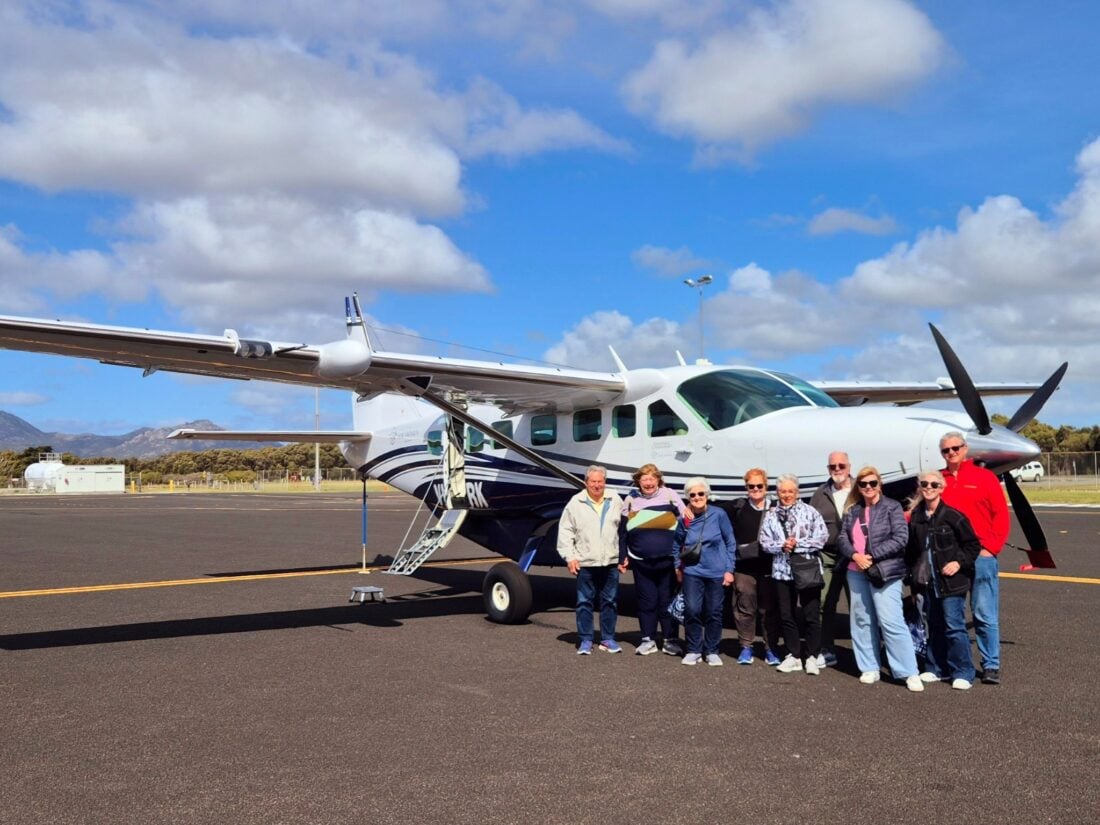
King Island: Pampering and Industry
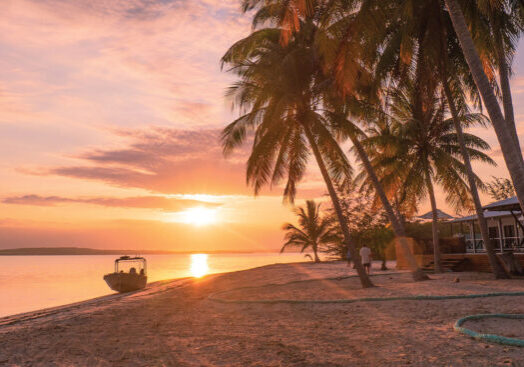
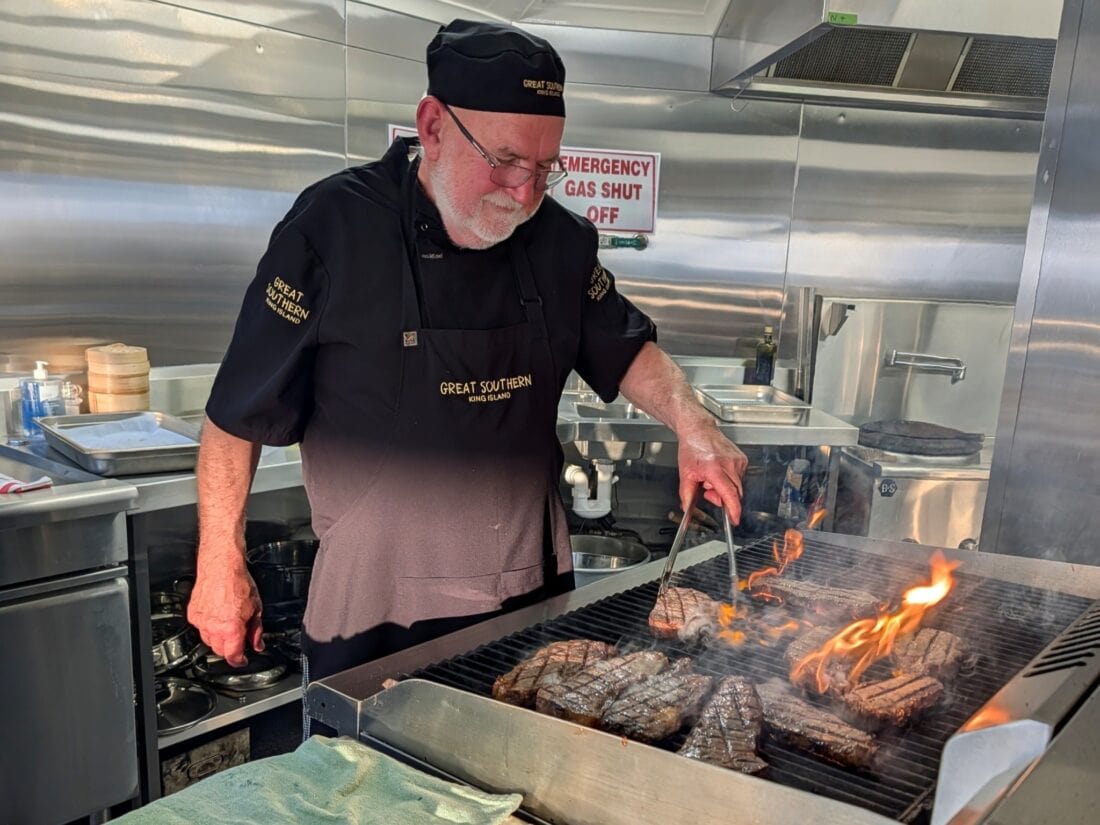
King Island immediately stood out as a haven for the gourmet food lover. And we were pampered. The island’s reputation for exquisite produce is well-deserved. Our indulgence in the fresh crayfish, chef-prepared King Island steak and tasting the world-renowned King Island Cheese, were definite highlights. While the island attracts golfers to its world-class golf courses, their other love, judging by the people we met, is the gourmet food!
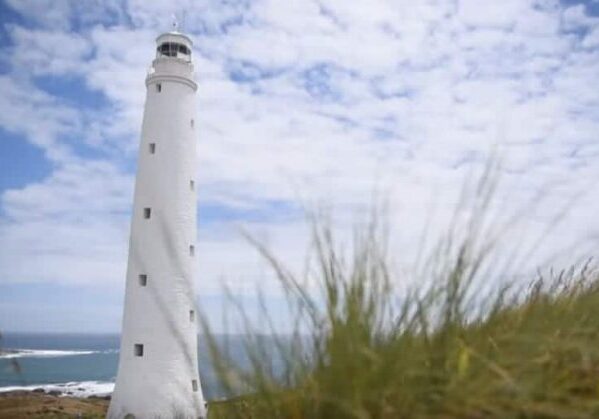
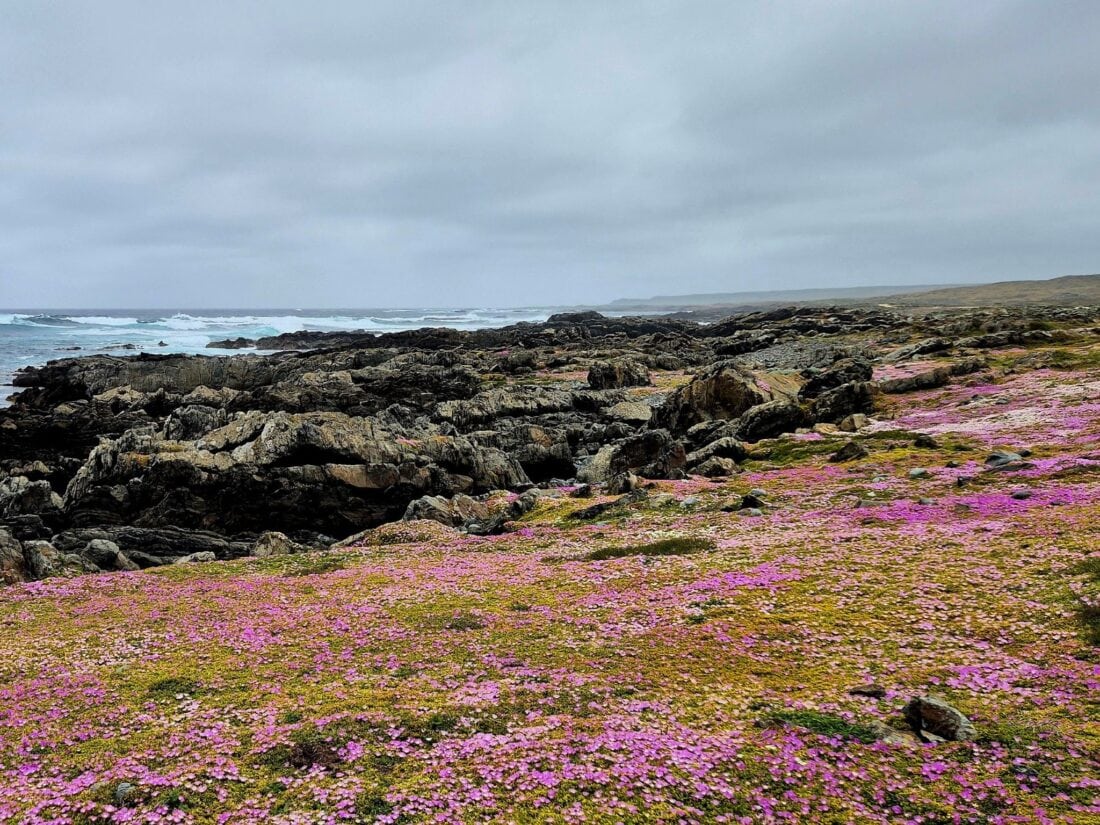
The island’s history is famously tied to the treacherous "Roaring Forties" winds, making it a graveyard for ships. King Island’s early history is grimly underscored by the deadly reality of shipwrecks. Many a beautiful beach commemorates the loss of life by ship. So it’s a place where you appreciate not only the bounty of the sea, but also its dangers. And for us in December, sandy dunes were covered not only with cushion bushes, grasses, heaths, wattles and banksias but also with carpets of the pink flowers of pigface plants.
Flinders Island: Natural Beauty and Rugged History
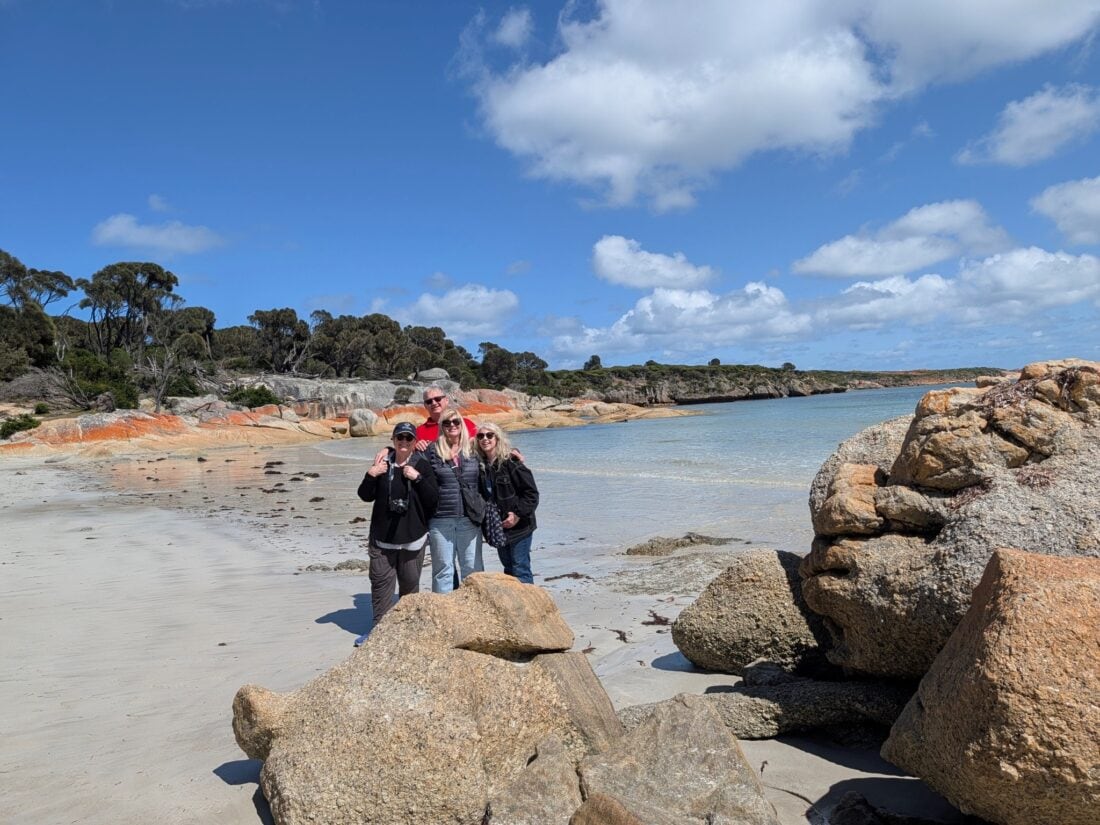
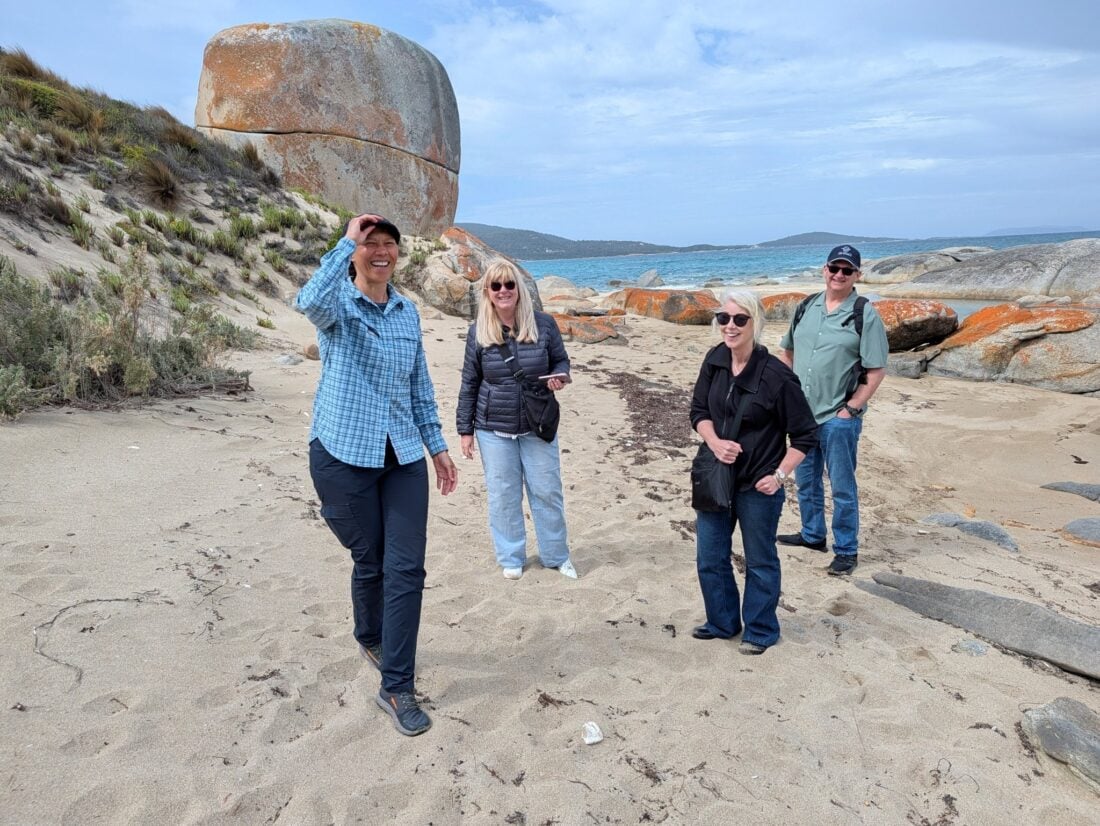
Flying across to Flinders Island was like turning a page to a completely new story, one less about industry and enterprise, and more about untamed nature. Here, the island is dominated by granite peaks like Mount Strzelecki, rock formations, lichened rocks and expansive beaches, inviting a more active exploration. I think it gives Tasmania's iconic Freycinet Peninsula a run for its money.
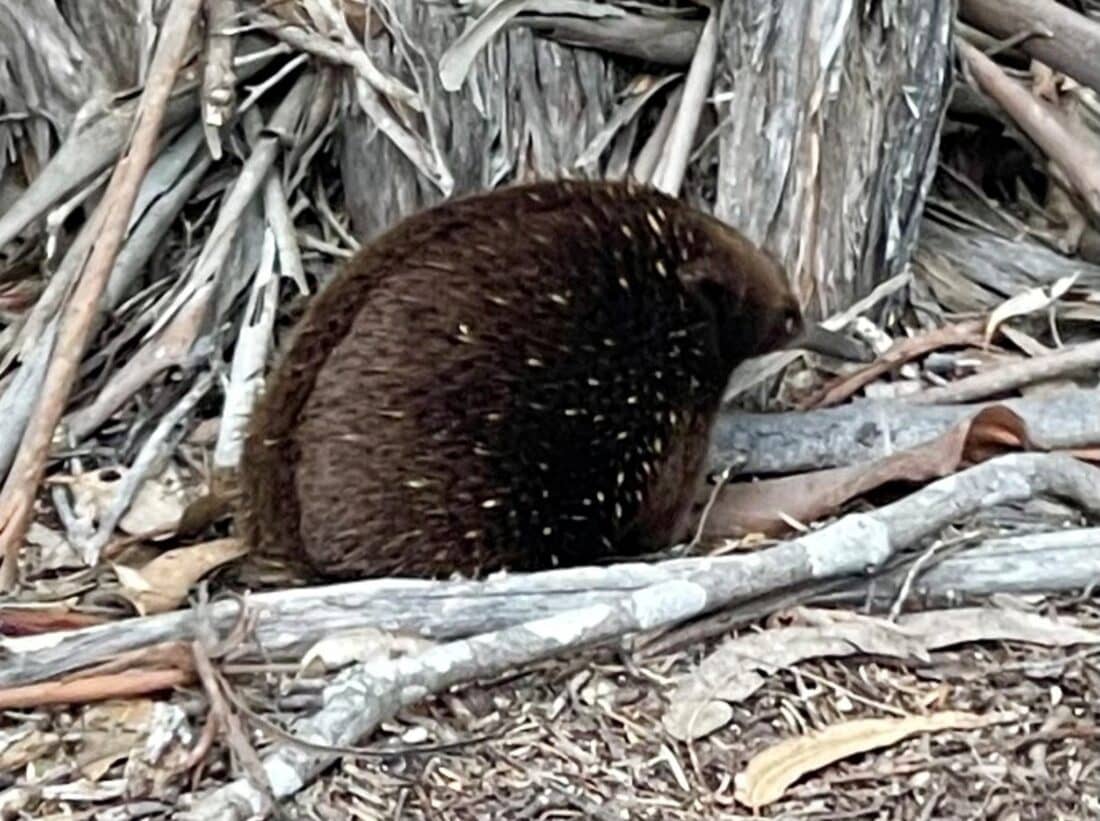
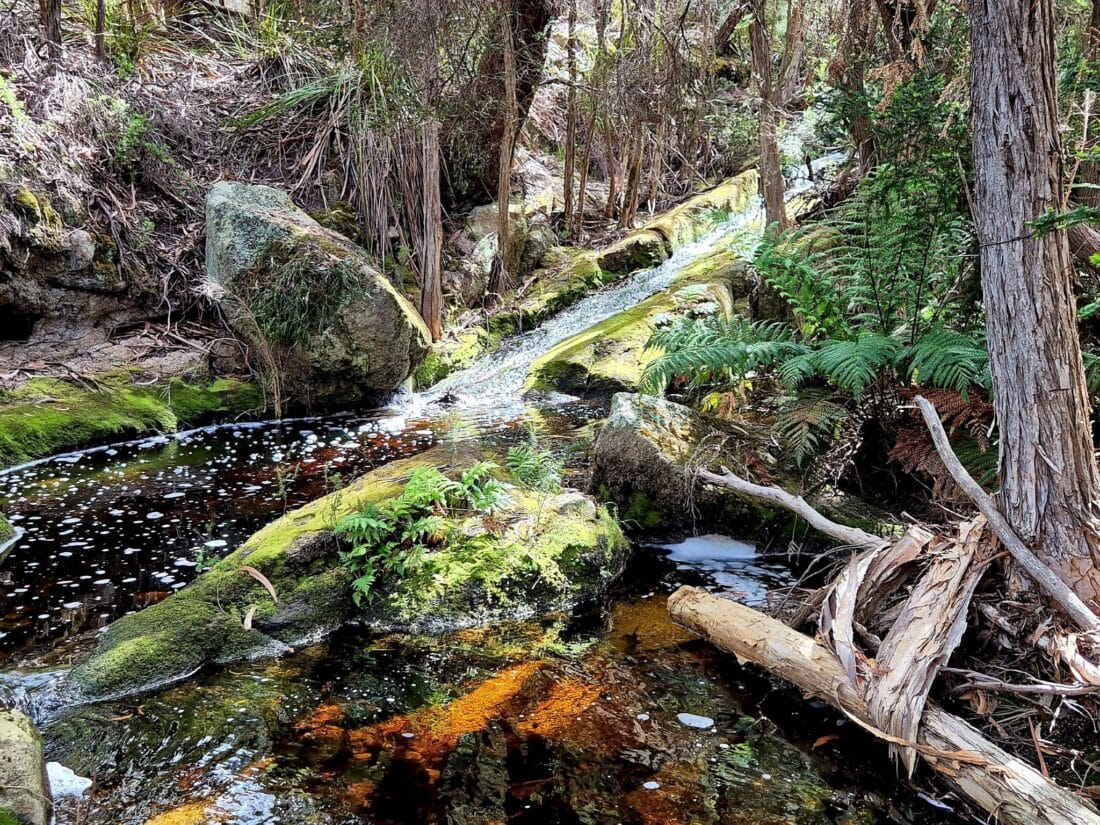
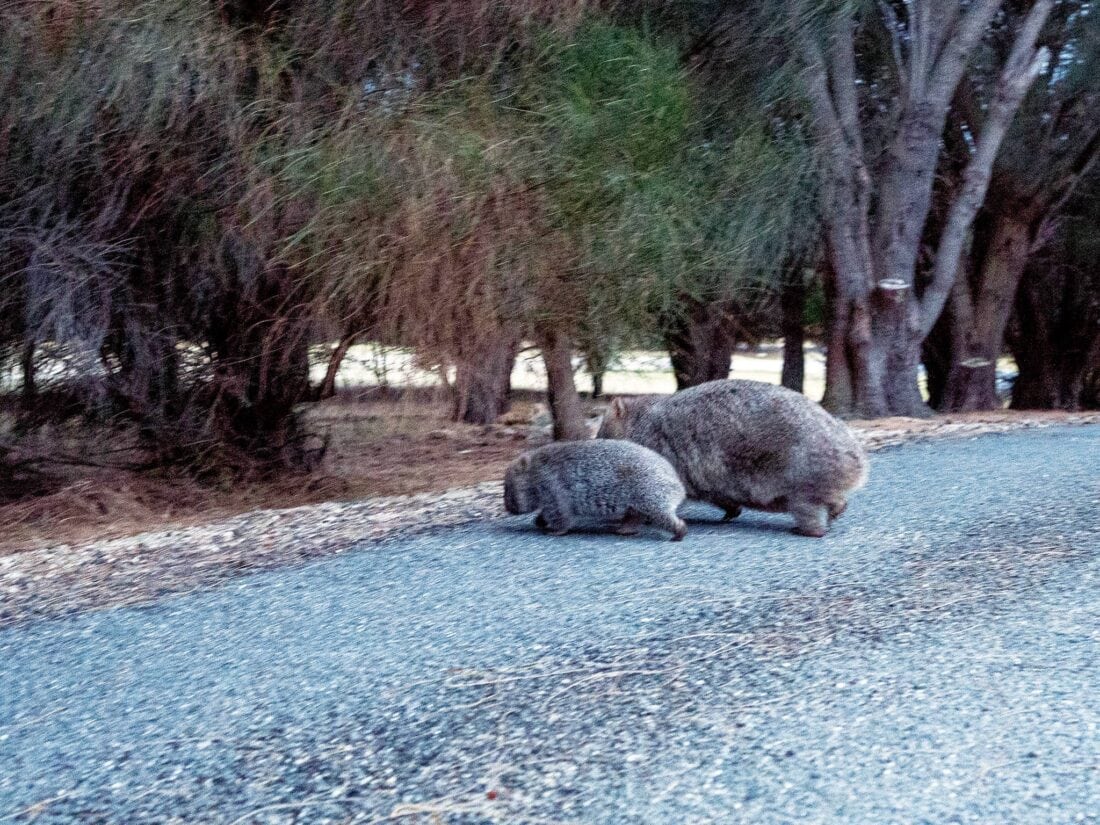
Flinders Island is a treasure trove for lovers of natural history. Both islands were once connected to mainland Australia and Tasmania, but Flinders today seems to wear its natural heritage more visibly, from its striking geology to the adapted wildlife—like echidnas with fewer quills.
Historically, Flinders is different too. It was the site of the infamous Aboriginal removal to Wybalenna and saw various early settlements and sealers' activity. Yet, despite its ruggedness, the ship-arrival stories on Flinders Island are less grim than those of King Island. Here arrival stories are colourful, individual and perhaps mythical. Legend has it that a survivor of the ship, The City of Foo Chow, swam to shore on a pig from the ship’s cargo-hold.
Making the Right Choice
Ultimately, your individual focus will determine if this is the right trip for you. This comprehensive, contrasting tour of King and Flinders Islands is great for adaptable travellers who can enjoy being pampered and admiring the outcomes of human enterprise on King Island, as well as being more active and appreciating the natural beauty of Flinders Island. I believe many people will be like me and love the overview and contrast of both islands. Alternatively, you could narrow your focus to the 3-day “Fantastic Flinders Island” if you are a dedicated lover of natural history, rugged natural beauty, and Australian history. Or you could choose the narrower focus of the 3-day “King Island Escape” if you’re a food-loving traveller. You could even broaden your focus with the 7-day “Great Southern Islands” itinerary, which expands this remarkable experience to include Kangaroo Island in South Australia.

The Isolation and the Hosts
The sense of remoteness stayed with us throughout, punctuated by quiet stretches of road and large swathes of land populated by flora, fauna, and expansive vistas, rather than people. Yet, our visitor experiences were rich, thanks to local hosts like Lucinda on King Island and Heidi on Flinders. We discovered the self-reliance and multiple roles that are the hallmark of island life. The limited services that define "remote" are striking—for instance, pregnant women leave the islands to give birth, meaning few people can claim to have been born there. Flying over Bass Strait several times only reinforced this feeling of isolation. These remote islands offer many more unique experiences and stories best shared by the locals, not by me. Why not head out with Australian Air Safaris to experience the wonder of "remote" for yourself?
15 December 2025